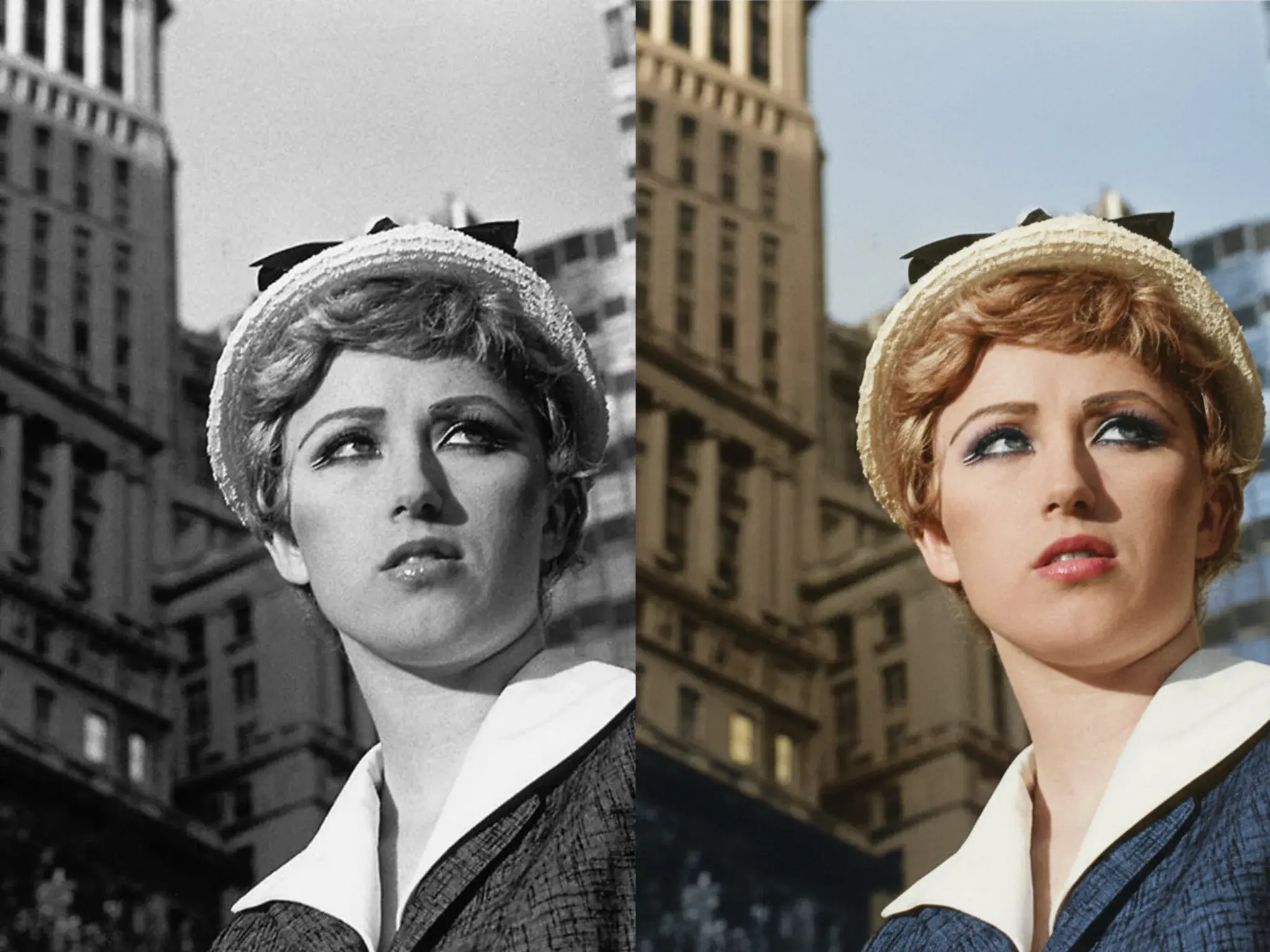

Artificial intelligence restores old photos by learning patterns from vast image libraries and applying them to degraded pixels. It distinguishes meaningful textures from noise while preserving the original intent and style. The process weighs restoration depth to avoid overprocessing, favoring substantial quality gains and authenticity. Colorization follows conservation methods to suggest plausible hues, with transparent notes on limitations. Ethical and legal considerations guide licensing, documentation, and future reuse, ensuring results are accessible yet responsibly used. This groundwork invites careful examination of outcomes and methods.
How AI Rebuilds Faded Details
AI reconstructs faded details by analyzing patterns learned from vast collections of imagery and applying those patterns to degraded pixels. The process prioritizes artifacts interpretation, distinguishing genuine textures from noise while preserving original intent. Each restoration respects style consistency, ensuring uniform lighting, contours, and depth. Results reveal clearer forms without distortions, offering viewers renewed access to history through careful, disciplined reconstruction.
Choosing the Right Restoration Approach
The process weighs restoration depth against original texture, avoiding overprocessing.
It prioritizes substantial image quality improvements while preserving authenticity.
Consider potential copyright implications, ensuring licensed algorithms and source materials.
Clear documentation supports responsible, freedom-centered preservation and future reuse.
Ethical and Practical Considerations in AI Restorations
The discussion highlights privacy concerns, safeguarding personal data and sensitive imagery, and clarifies copyright implications, outlining fair use, licensing, and provenance.
A measured approach promotes transparency, accountability, and ongoing evaluation of restoration outcomes.
From Colorization to Preservation: Putting It All Together
From careful consideration of ethical and practical constraints, the discussion turns to how colorization and conservation methods integrate into a cohesive restoration workflow. Color theory guides palette choices, ensuring plausible hues without overreach. Preservation steps precede presentation, balancing technical fidelity with accessibility. User expectations are clarified through transparent processes, documenting decisions. The approach remains patient, exact, and oriented toward confident, informed engagement with restored imagery.
Frequently Asked Questions
What File Formats Preserve Ai-Restored Images Best?
AI experts recommend preserving AI-restored images in lossless formats such as PNG or TIFF, plus RAW when available; considerations include AI ethics and future-proofing. File formats should prioritize metadata integrity, reproducibility, accessibility, and long-term archival stability for freedom-minded audiences.
How Long Does a Typical Restoration Take?
Restoration speed varies, but typical AI-assisted processes complete in minutes to hours, depending on image complexity and hardware. The workflow optimization emphasizes batching, parallel processing, and quality checks, ensuring meticulous results while supporting creative, freedom-driven outcomes.
Can AI Fix Severely Warped Photos Reliably?
Severely warped photos pose significant challenges; AI can reconstruct plausible detail, yet reliability concerns remain. The approach yields variable results, demanding careful evaluation, iterative adjustments, and transparent limitations before trusting restored images for critical use.
Are There Copyright Concerns With Restored Images?
Answer: Yes, copyright issues and provenance concerns shape restored images; image licensing may restrict usage, and rights holders’ claims can influence distribution, attribution, and monetization, requiring careful documentation, permissions, and transparent provenance to preserve intended freedom and legality.
Will AI Introduce Artifacts or Misrepresent History?
AI exhibits the potential to introduce artifacts that may affect artifact integrity and challenge historical accuracy, though careful tuning and validation can mitigate distortions; nonetheless, deliberate transparency and robust evaluation are essential for a trustworthy, freedom-respecting restoration process.
See also: How Artificial Intelligence Is Used in Restaurants
Conclusion
In quiet contrast, AI reconstructs whispers of the past with clinical patience. It scans faded textures and brittle edges, then breathes new life into them—not by erasing history, but by revealing its subtle contours. Yet it pauses, weighing each stroke against authenticity, choosing restoration over embellishment. Color speaks softly, preservation speaks louder, and ethics anchor every decision. The result is a careful dialogue between memory and technique: a restored image that honors what was, while inviting what could be.